
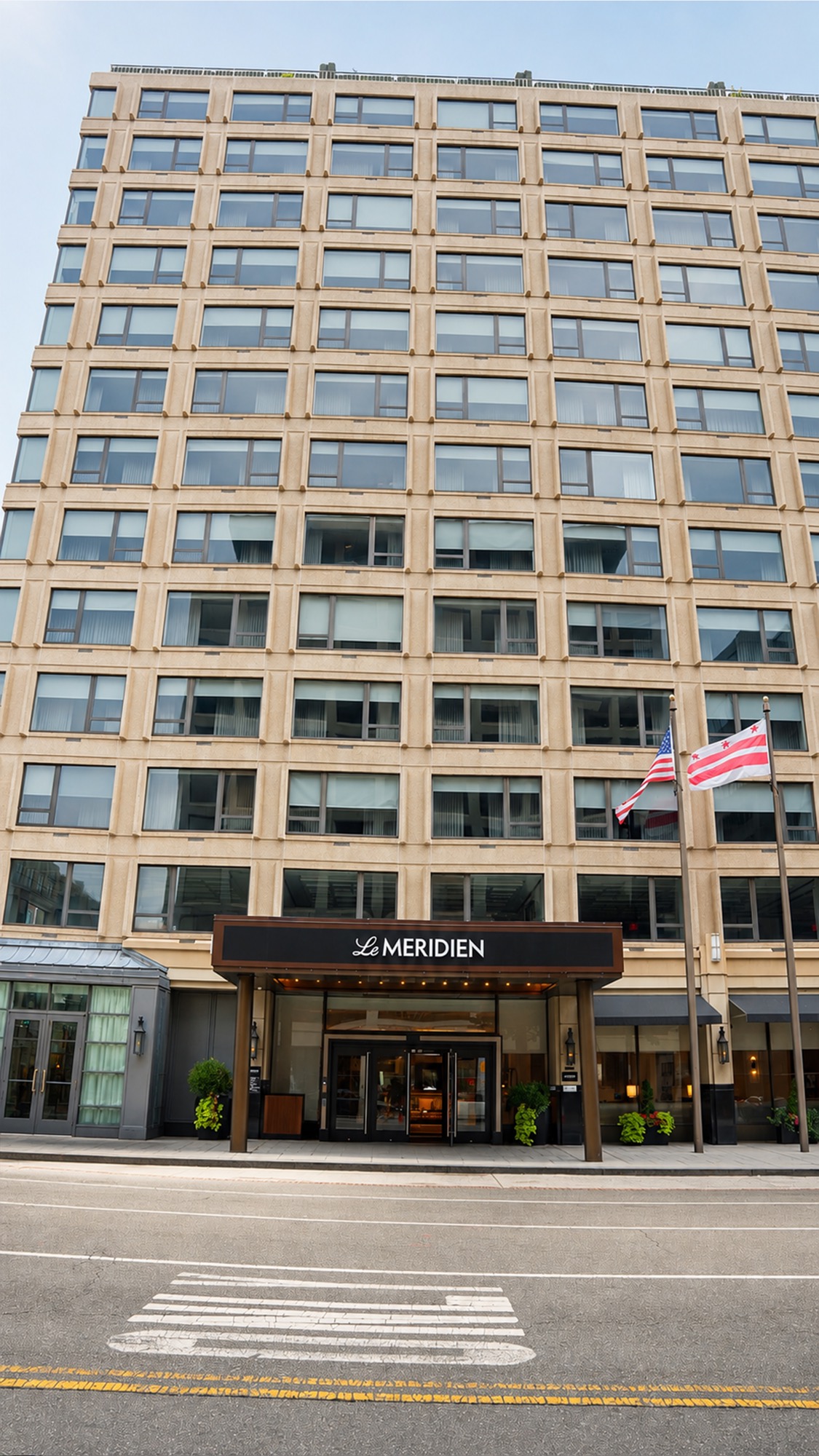
You booked the shoot for 10 a.m. because it fit your calendar. The photographer shows up, the front of the house is in deep shadow, and the sky behind it is blown out white. Now you either reschedule or list with a dark front photo that buyers scroll past.
The best time to photograph a house isn't one hour on the clock. It depends on which way the front faces, the time of year, and, in North Jersey and New York, the buildings standing next to yours. This guide is for agents and sellers in Jersey City, Hoboken, Weehawken, Hudson County and Manhattan who want the light working for them, not against them.
Why "just shoot at golden hour" is incomplete advice
Most guides say the same thing: shoot at golden hour, the hour after sunrise or before sunset. Low sun, warm color, soft shadows. It's good advice for a detached house with an open yard facing east or west.
It falls apart fast in our area:
- A north-facing front never gets direct sun at golden hour. You just get a dim house.
- On a narrow Hoboken or Brooklyn street, the building across the way can block low sun for most of the day.
- In a high-rise condo, the exterior barely matters. The view and the interiors do.
So start with the house, not the clock.
Best time to photograph a house: start with where the sun hits
This is the step most people skip, and it's the one that matters most. The main exterior photo should be taken when sun is on the front of the house, or when no sun is on it at all. Half sun, half shadow is the worst case.
A rough guide:
- East-facing front: morning, roughly 8–11 a.m.
- West-facing front: afternoon, roughly 2 p.m. until about an hour before sunset.
- South-facing front: most of the day works; late morning or mid-afternoon gives nicer shadows than noon.
- North-facing front: midday (about 10 a.m.–2 p.m.) when the light is brightest, or a bright overcast day. Or plan a twilight shot instead.
Don't guess. Open a sun-position app, drop a pin on the address, and drag the time slider. Two minutes of checking saves a reshoot.
Check for shadows from neighbors
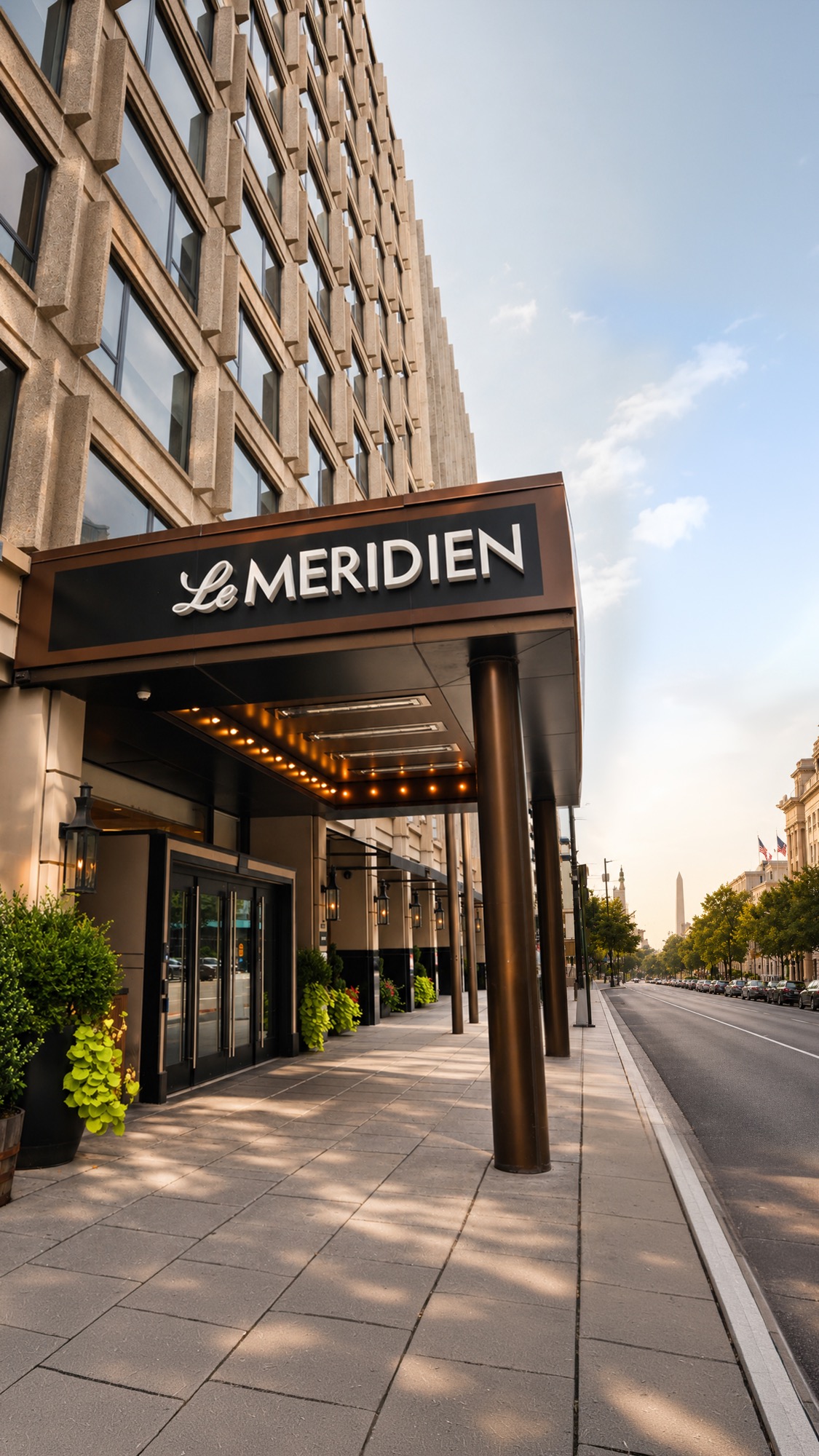
This is the city problem nobody writes about. In Jersey City downtown, Hoboken or Manhattan, a tall building next door can throw a hard diagonal shadow across your facade for hours.
What to do:
- Walk the block at the planned time a day or two before, or ask the seller to send a phone photo at that hour.
- If shadows cut across the front all day, go for even light: an overcast day, or the window just after the sun drops behind the buildings.
- For row houses and brownstones, shoot the facade straight on and slightly higher (a pole or a step stool helps). It hides cars and keeps lines straight.
Plan for the season (NJ/NYC daylight changes a lot)
Our daylight swings hard between seasons. Around New York, the earliest sunset of the year comes in early December, around 4:30 p.m., and the latest is in late June, around 8:30 p.m. (sunrise and sunset times for New York).
That changes your schedule:
- November–February: the sun stays low all day. Good for warm side light, bad for long shadows. Start interiors early and book the exterior around midday. If you want twilight, it falls roughly between 4:45 and 6 p.m. depending on the month, which makes it easy to fit in.
- Spring and fall: the easiest season. Comfortable light most of the day.
- Summer: midday sun is high and harsh. Morning or late afternoon looks much better. Twilight starts late, so plan a separate visit or a long day.
Winter also brings bare trees and sometimes snow. A light snow can look great. Grey slush on the sidewalk does not. If the yard looks bad, focus the exterior shots on the front door and facade, and lean on interiors.
What time is best for interior photos?
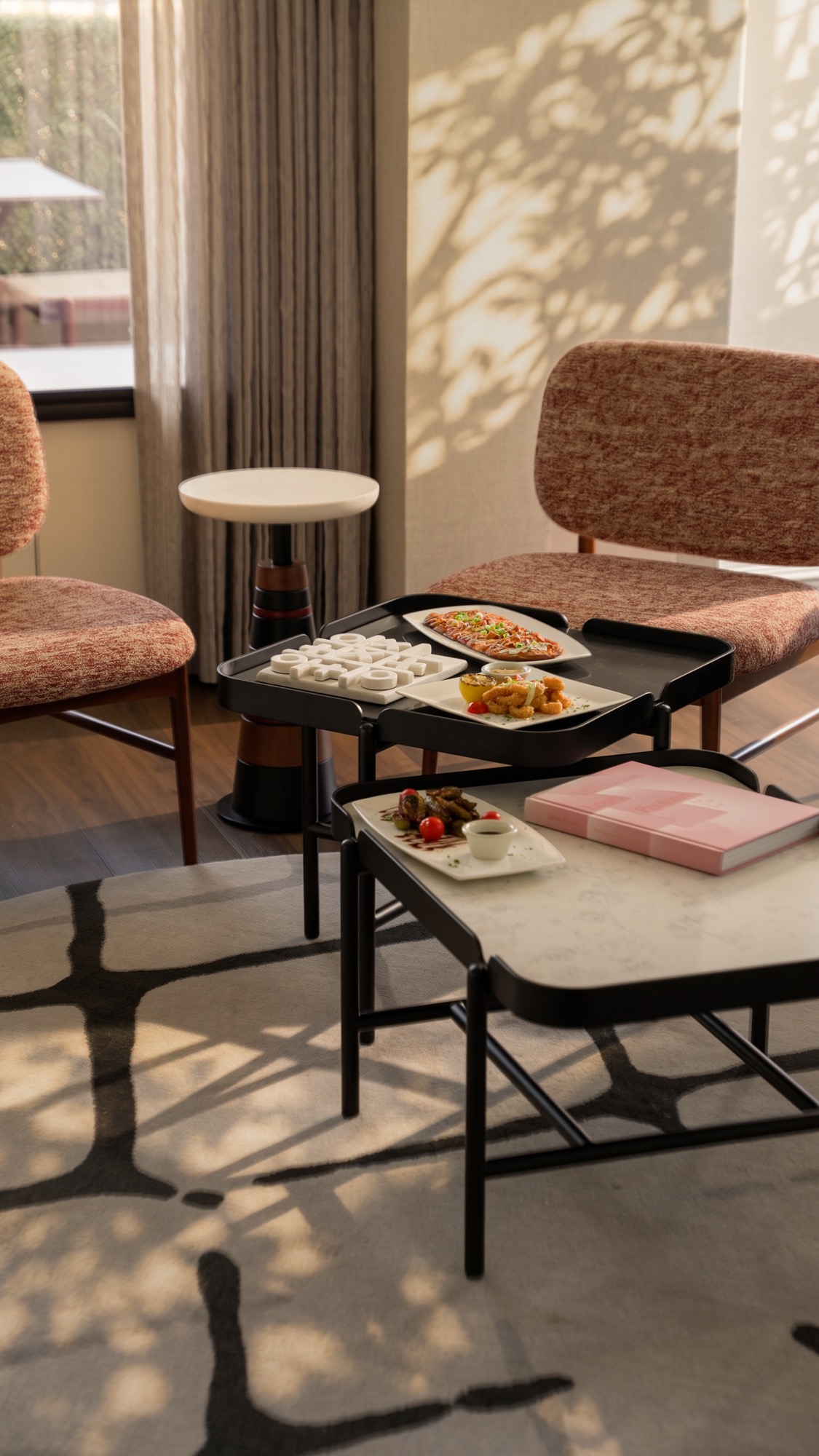
Interiors are more forgiving, but there is a classic mistake: hard sun patches on the floor. Direct sun coming through a window makes bright blotches the camera can't hold, and they look like stains in the photo.
Tips that work:
- Shoot each room when the sun is not coming straight in through its windows. East rooms in the afternoon, west rooms in the morning.
- Turn every light on: lamps, under-cabinet lights, pendants. Rooms feel lived in and warmer.
- Use the same color bulbs in a room. A cold daylight bulb next to a warm lamp looks off on camera.
- If the room has a big Manhattan or Hudson River view, the window will be much brighter than the room. A good photographer blends several exposures so you see both. Ask about it before booking.
Quick checklist: picking the shoot time
- Check which way the front faces (sun-position app, real address).
- Look for neighbor shadows at that hour.
- Check sunset time for the shoot date.
- Interiors first while the sun is out of the windows, exterior when the sun is right.
- All lights on, matching bulbs.
- Have a backup date if the forecast changes.
When twilight is worth it
A twilight photo, shot about 15–30 minutes after sunset with every light on inside, solves a few problems: a north-facing front, a plain facade, or a condo whose selling point is the city lights.
It's not needed for every listing. It's worth it when the house has warm windows, nice exterior lighting, or a view. In winter it's easy to add, since dusk comes before dinner.
Video needs the same light, for longer
If you're also filming a walkthrough, light matters even more. A photo takes a second; a video clip lasts several seconds, and moving clouds or a shadow sliding across the floor will show. Plan video for the most stable part of the day. We covered when video is worth it in real estate video in Jersey City.
How we plan around light
Our rule for any shoot: light first. Check the address in a sun-position app, then plan the order around it (which rooms first, when to shoot the front, and whether twilight is worth adding). We'd rather move a shoot by two hours than deliver a dark front photo. Prep for the home itself is in our real estate photo shoot checklist, and you can see our work in the portfolio.
Have a listing coming up in NJ or NYC? Book a shoot.
FAQ
What is the best time of day to photograph a house? When the sun is on the front of the house, or not on it at all. For east-facing homes that's usually morning, for west-facing homes afternoon. North-facing homes look best around midday, on a bright overcast day, or at twilight.
Is an overcast day bad for real estate photos? No. Bright overcast light is soft and even, great for interiors and for fronts that are shaded by trees or nearby buildings. The sky can be replaced or simply kept out of the frame.
How long does a listing photo shoot take? It depends on the size of the home and whether video or twilight is added. Plan your timing so the exterior falls in the right light, rather than shooting everything in whatever order is easiest.